
Latest work



 Nicky Jepson
6 min read
Nicky Jepson
6 min read

It’s no secret that a seismic demographic shift is underway across the trades in the Built Environment.
There’s a well-documented and increasingly concerning skills gap between the time-served, over-50s; plumbers, decorators, electricians, fitters who stand by brand loyalty, long-standing supplier relationships and bulk deals - and ‘Generation Toolbelt’; an emerging wave of digitally native, Gen Z tradespeople who are much more open to experimentation, driven by peer reviews and responsive deliveries.
For product manufacturers, it’s both a challenge and an opportunity.
How do you position your brand to resonate with these two different mindsets?
A perfect storm of demographic shifts, cultural perception of trades, policy failure, and industry inertia has meant a whole generation being nudged away from trades, creating the huge vacuum in trade talent we see today.
The fight is all too real when your most closely guarded secret is your electrician’s phone number. Or you’re willing to wait two years for ‘your’ plumber to tile the en-suite.
According to Checkatrade’s UK Trade Skills Index report, 35% of construction workers are over 50, which may not sound so bad on the face of it? But when retirement is both sudden and imminent, the industry will soon lose up to a third of its skilled labour - along with decades of knowledge and experience, in one generation.
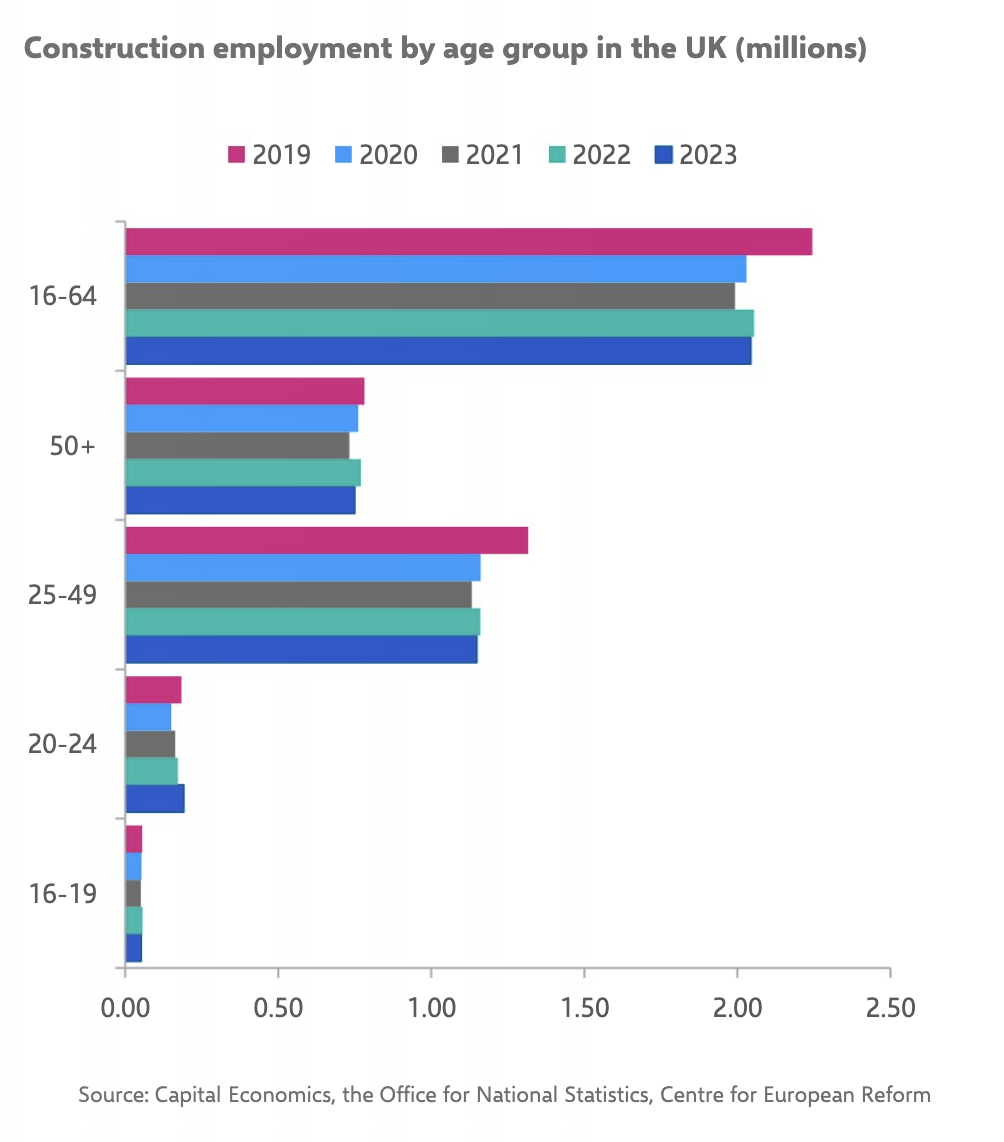
Couple that with the fact that the pipeline of younger workers is not growing fast enough to replace retirees and ‘the gap’ will quickly become a chasm.
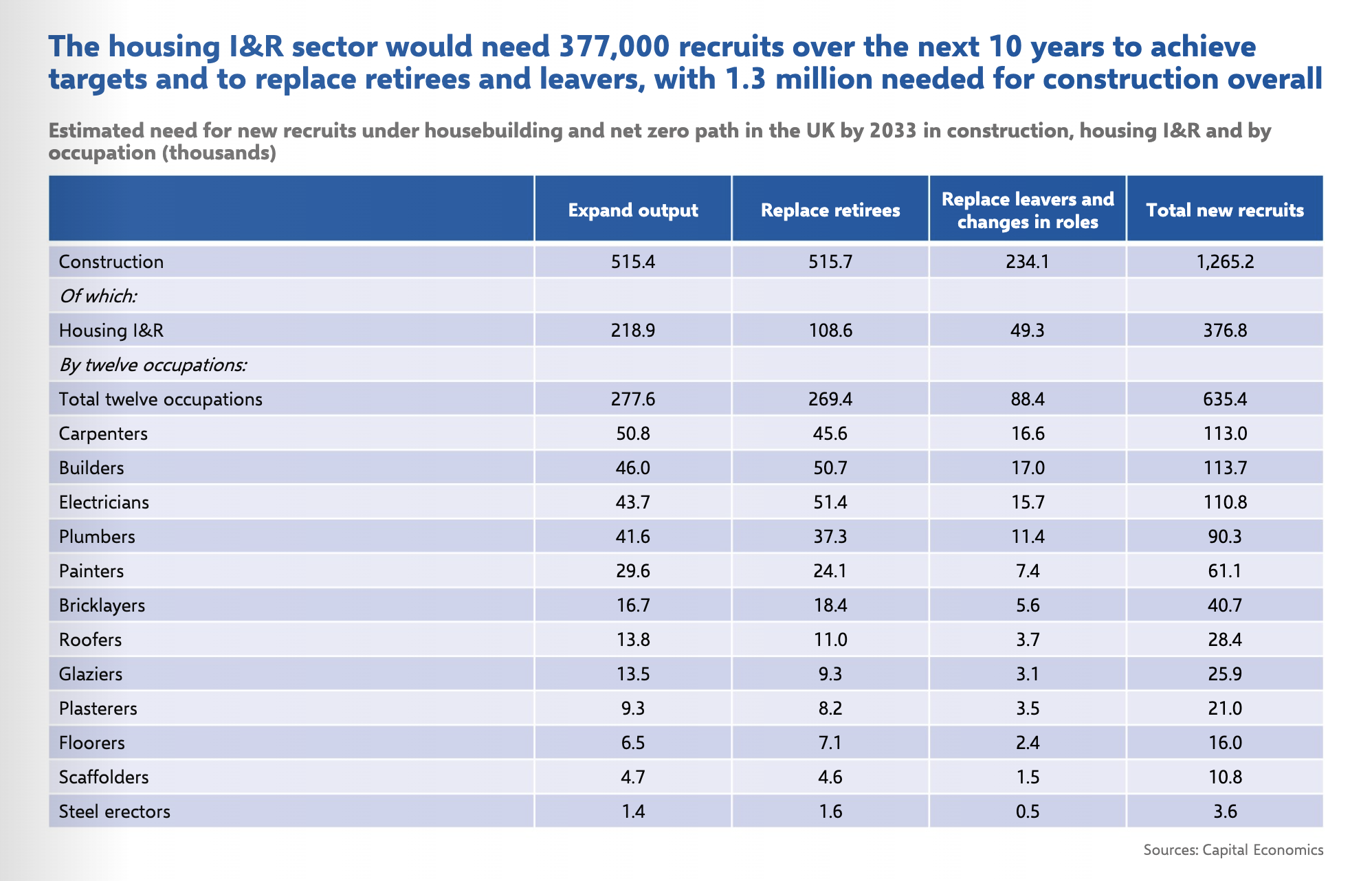
And demand is on a steep trajectory. The report highlighted that the home improvement and repair sector will grow by 40% over the next decade and that the UK would need to find 1.3 million new skilled tradespeople and over 350,000 new apprentices in order to deliver the Government’s housing and net zero targets.
But all is not lost. Gen Z are starting to form an orderly queue for a career in the trades.
As the B&Q The Way We Live Now report points out, this movement doesn’t quite have the urgency we would like, but there is a rise in younger individuals, motivated by factors like financial independence, job flexibility and the avoidance of student debt.
Young people are also increasingly starting to see trades as future-proof careers that AI can't easily replace.
So, who are the audiences and what are the polarising factors?
They’ve built their careers on trust and reliability. They know what works, and they stick with it. Their buying habits are based on recognition, trust and consistency. Supplier relationships are therefore personal and long-term, they know the promotions that reward bulk purchases and long-term planning resonates with this audience.

They’re entrepreneurial, tech-savvy and community-driven. They’re not afraid to try something new, based on innovation or peer buzz. While you’ll only get one chance to deliver on your bold claims, if you capture their imagination, they’ll put it out on their socials. They shop around, pay attention to reviews and trust their community. Orders are on-demand, delivered seamlessly to the job, so bulk has no pull.

They may well be years apart, but contrary to popular belief, there is still some common ground to be found. When you choose the right tool, your brand can speak to both Generation Toolbelt and older, experienced tradespeople:
They both value skill, mastery, and pride in doing the job right. While motivations may differ; Gen Z want to prove themselves; older pros want their experience respected, both generations care about being seen as skilled, and not just ‘labour’.
Layer your language and tone to celebrate craftsmanship. Older tradespeople value skill, precision and pride in doing things right, their younger counterparts are drawn to purposeful, hands-on work and the satisfaction of making something tangible.
Tap into professional standards; for older tradespeople, this is about respect, rules and reputation; for young ones, it’s about credibility, progress and earning respect in a space where they’re still learning.
Results will always be crucial for the trades, so ease, efficiency and time-saving tools are appreciated across both audiences.
While Gen Z expects the tech, older tradespeople are also loyal to any tools that improve workflow or reduce hassle. Position tech as a tool to make their job easier, not a threat.
For seasoned tradespeople and newcomers alike, focus on positioning your brand as a partner, building brand affinity through usefulness, not hype.
They’ll all appreciate the insights, tools and training that increase speed and efficiency, reduce physical strains, or deliver more precise, higher quality work.
Avoid over-hyping innovation without any real benefit. They’re either savvy or experienced enough to see right through it.
Recognition feels good at any age, so focus on the principles of building safe spaces for their communities.
Both audiences respond well to community-based content that shows off their achievements and their challenges.
‘Pro of the Month’ and ‘Tools of the Trade’ are proven user-generated project showcases.
You’ll usually find the older demographic gravitating towards Facebook and YouTube, whereas TikTok and Insta is the destination for Gen Z. Curated and crafted carefully, the same concept can sometimes be the bridge between the two.
Whatever the age, trust, quality and reliability are still the top-buying drivers. A 55-year-old may have used your product for 20 years. A 25-year-old may want to look at what the 55-year-old trusts as their starting point.
Validation is important and while your audiences may look for it elsewhere, your products must be proven to perform and deliver.
Trade endorsements, reviews, performance tests, durability and longevity metrics all ladder up to the trust factor and confident warranties will offer welcome peace of mind across complex jobs.
Deliver your comms with straight-talking authenticity, zero-fluff and respect for the work. Invest in and work hard on high quality, considered, real-job photography, not unrealistic over-polished stock.
Again the motivation may differ, but this resonates across the two audiences . Older tradespeople think about long-term wear and tear (knees, back, hearing etc.), but Gen Z care about mental health, burnout, and balance.
Building emotional intelligence into your brand shows you and your brand have genuine empathy for the very human consequences of being in the trade.
And so whilst you should ignore the very clear split in attitudes and habits at your peril, you will find commonality in some deep-seated human principles that will have a far reaching and long lasting impact on your brand’s performance:
Capturing and analysing accurate data is crucial for timely and effective comms with the Trade. Take a look at how we transformed the customer onboarding process at Crown Decorating Centres into an intuitive, powerful platform


.jpg)