Latest work



 Nicky Jepson
6 min read
Nicky Jepson
6 min read
For decades, private label was seen as the cheap and cheerful ‘value aisle’. Super-functional products sitting at the bottom of the shelf, giving customers a price-sensitive alternative to the pricey big brands.
They weren’t always the contenders that they are today. Their journey in the UK supermarket from bargain-bin staples to serious shelf challengers began way back in the 1960s and 70s.
Kwik-Save’s ‘No Frills’ and Fine Fare’s lurid and unmissable yellow packaging set the pace in the race to the bottom for grocery essentials in supermarkets. And who can forget the eternal optimism of the Happy Shopper range?
Eventually Tesco, Sainsbury’s, Asda, Morrisons, even Waitrose, picked up the budget baton developing brands like Just Essentials, Stockwell, Everyday Value, Stamford Street and Savers; all based on value rather than quality.

In FMCG today, private label now flexes its sizeable muscles in both directions serving both value-conscious and premium-seeking consumers.
‘Taste the Difference’, Extra Special’, ‘Finest’,‘The Best’ and ‘Irresistible’, ‘Specially Selected’ and ‘Deluxe’ all point to supermarkets using private label to lead categories with bolder designs, clear brand stories and better quality.
So while all that’s been happening at your local supermarket, in the Built Environment, it’s been exactly the same; private label strategies are no longer an afterthought. In fact, planned and executed well they are a powerful lever for growth, differentiation, innovation and category leadership.
At Workhouse, we’ve seen this first-hand. We’ve helped numerous clients develop their portfolio of private label brands that not only held their own against big-name competitors, but in many cases actually redefined their categories.
From adhesives, paint and tools to outdoor porcelain and luxury vinyl, private label has become a strategic weapon for many of our clients. But just like our FMCG counterparts, the journey isn’t without its challenges:
Private label has long carried the stigma of being low quality, the ‘cheaper alternative’. In technical or trade-driven sectors like the Built Environment, that stigma can be hard to shake.
Installers and professionals often default to the brands they know, while consumers understandably play it safe, lacking the confidence to choose a name they don’t recognise.
Adhesives, tools, flooring systems, building materials in general: like it or not, these categories can struggle to fire the imagination. The risk is that private label becomes the generic, unmemorable option in a sea of functional products.
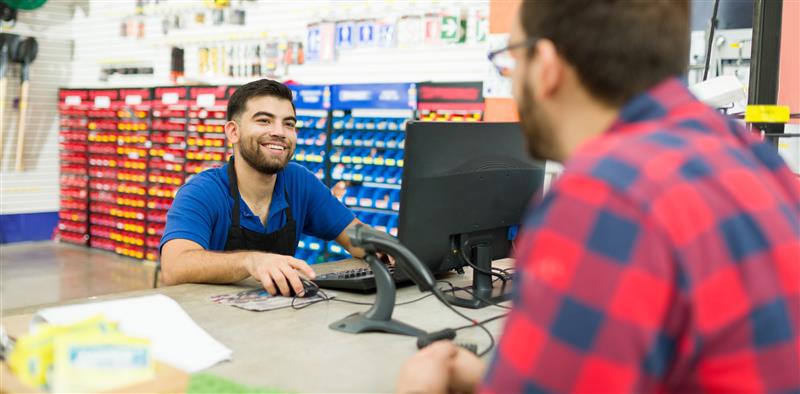
Retailers may see private label as a route to margin, while trade professionals want reliability, and consumers want reassurance. A successful strategy needs to deliver for all three simultaneously.
Despite the challenges, the opportunity is huge, especially for retailers and manufacturers in the Built Environment.
Private label allows retailers to shape categories on their terms. By filling gaps, offering tiered ranges and defining new quality benchmarks, they can set the pace rather than follow global suppliers.
A strong private label portfolio captures greater margin and ties customer loyalty more tightly to the retailer. Instead of building value into someone else’s brand, private label locks that value into your own ecosystem.
A private label brand can move faster than a global competitor, responding quickly to trends like from sustainability to design-led outdoor living. That agility makes them more relevant to today’s consumer and trade audiences.
When executed with creativity, private label brands stop looking like ‘brand copies’ and become credible, trusted choices in their own right. In sectors where there’s a choice, that trust is priceless.
A private label’s potential relies on creative brand thinking. Without it, private labels remain a vacuous and voiceless commodity. With it, private label can develop into a portfolio of distinctive assets. A solid creative strategy and ambition must be put in place from the beginning:
Naming and identity that are thoroughly researched and feel as considered as any national brand.
Messaging and positioning that signal expertise, quality and credibility.
Design systems that build consistency across a portfolio, while giving each brand its own voice.
Storytelling that elevates a product or range from a functional purchase to an aspirational choice.
When a portfolio of private label brands is underpinned by a forward-thinking, category-defining strategy, it does more than drive sales.
It changes how customers see the retailer itself; from a distributor of other people’s products to a trusted brand builder in its own right.
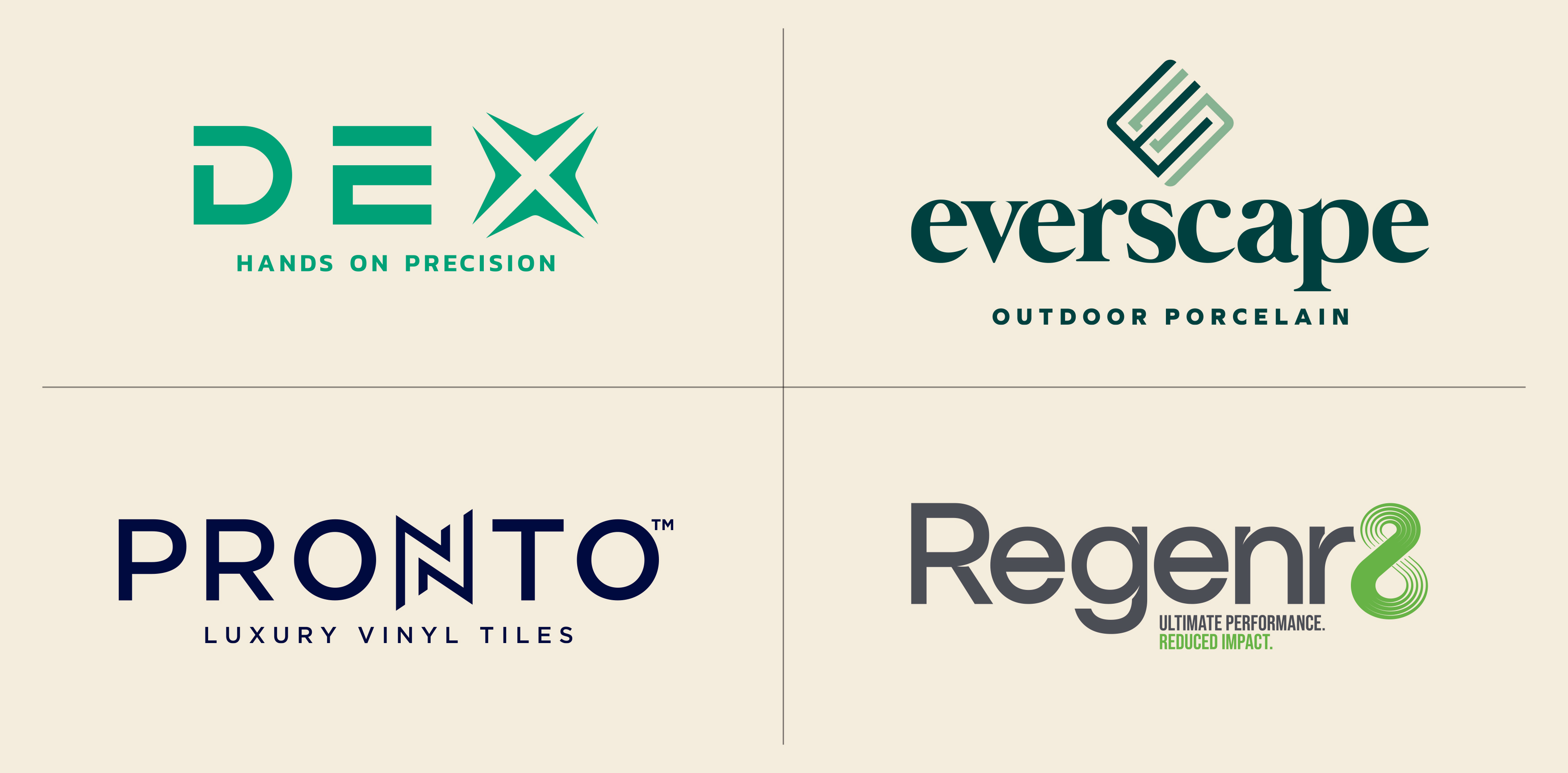
Topps Tiles is a perfect case in point that demonstrates the transformative power of strategically-led private label and a great example of how bold ambition can transform a category.
Working together with the Topps team, we built an inspiring range across the entire customer journey:
Regener8 adhesives - a performance-led range designed to instil confidence in professionals.
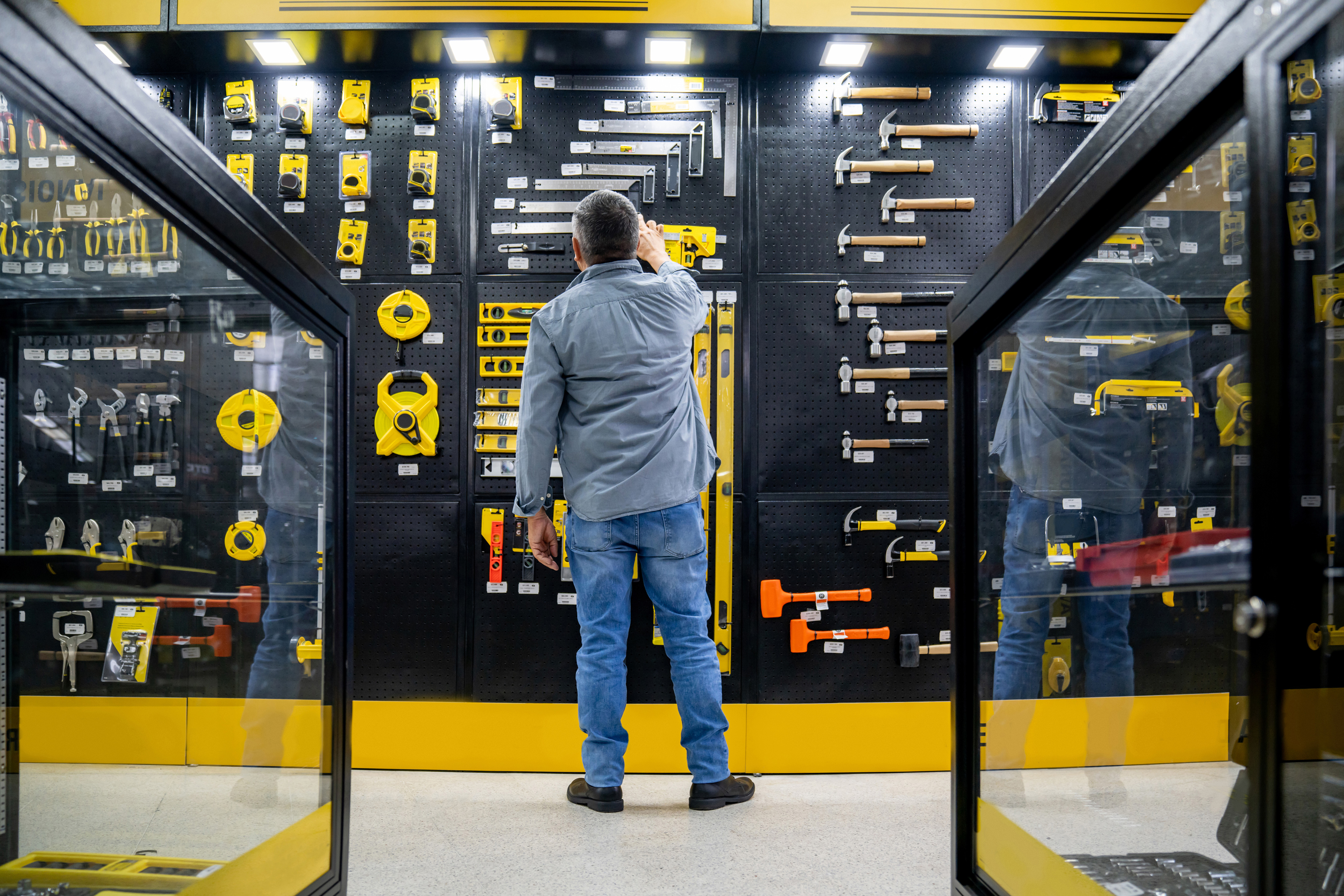
Dex Tools - a tool brand that empowers installers with reliability and precision.
Everscape outdoor porcelain - an aspirational lifestyle brand that owned outdoor living.
Pronto LVT - a modern flooring solution built around speed, simplicity and style.
Each brand has a clear positioning, a creative platform and a story that means something to its audience. As a portfolio, it gives Topps Tiles the ability to own the category conversation.
These brands didn’t just fill shelf space, they’ve been the catalyst for a seismic shift in perception and anchored Topps Tiles as a trusted retailer and an innovator.
By 2023–24, approximately 80% of their tile ranges and related products were either exclusive or own-brand, enabling clear differentiation built out of category observations and insights.
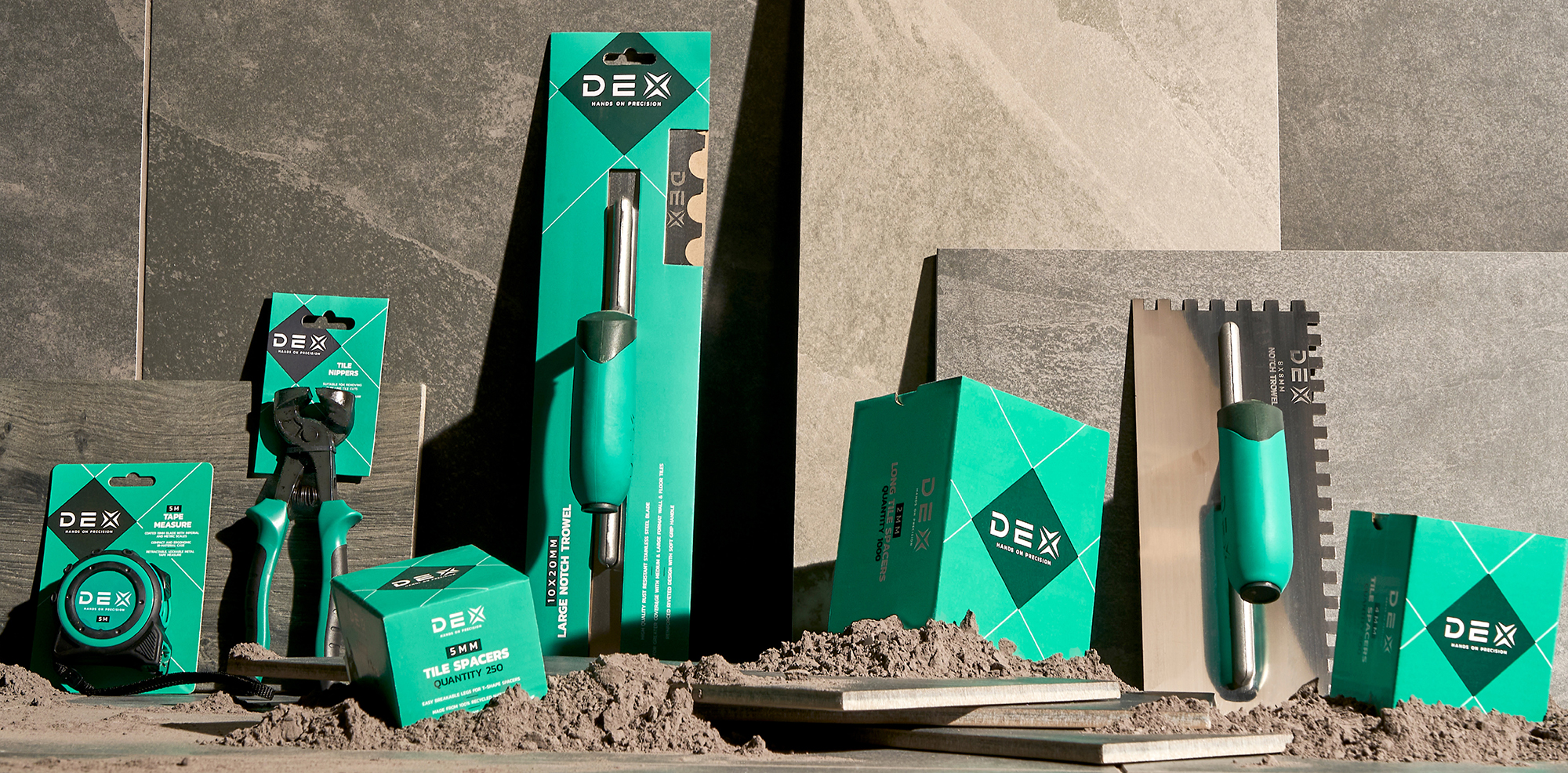
A private label brand can speak directly to the needs, frustrations and aspirations of a defined audience.
Whether that’s trade professionals, first-time homeowners or design-led consumers, it immediately stops feeling like a compromise and starts feeling like a smart choice and supported by the veracity of an already trusted retailer.
Pairing that precise targeting with bold, distinctive creative and suddenly private label stands up on its own; bringing credibility and memorability with it.
It can cut through category clutter, challenge established players and reposition the retailer as an innovator, not a follower, or simply a stockist.
We can see that over the next five years, across the Built Environment, private label will only grow in importance.
Economic pressures are driving customers to seek out value. Sustainability concerns are driving them to look for reassurance. And digital-first, review-hungry audiences are rewriting what trust looks like.
Retailers and manufacturers who embrace private label as a strategic brand-building opportunity, rather than a margin exercise, will have a distinct competitive advantage. Those who don’t, risk being left behind.
At Workhouse, we believe the future of private label is creative, strategic and disruptive. With the right foundations, even the most functional categories can produce brands that inspire, persuade and lead.
Take a look at how we worked with Topps Group and focused on the power of private label to capitalise on a clear gap in the LVT category. Pronto! quickly made its mark and found a lane of its own.